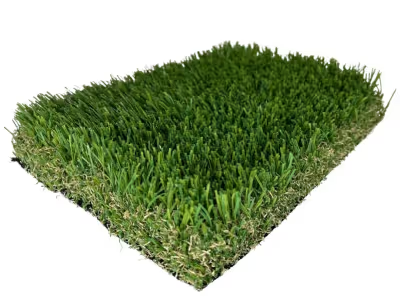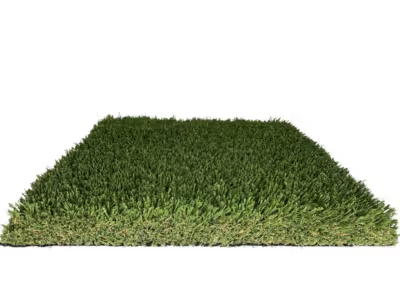
Choosing between a natural sod lawn and artificial turf comes down to what you value most. The short answer: sod costs less upfront, looks and feels natural, and cools your yard, but it needs water, mowing, and ongoing care. Artificial turf costs more to install but eliminates watering and mowing and stays green year-round—an increasingly popular choice in Placer County's hot, dry, water-restricted climate.
Here's a complete comparison of cost, water, maintenance, lifespan, and comfort so you can choose with confidence.
Key Takeaways
- Sod: low upfront cost, natural look/feel, cools the air—but needs water, mowing, and care.
- Artificial turf: high upfront cost, near-zero water and mowing—but heats up in sun and has a finite lifespan.
- In water-restricted, hot summers, turf's long-term savings are compelling.
- Both depend on prep: sod needs amended topsoil; turf needs a compacted aggregate base.
- Many yards combine both—turf where water-saving matters, sod or planting beds elsewhere.
Side-by-Side Comparison
| Factor | Natural Sod | Artificial Turf |
|---|---|---|
| Upfront cost | Lower | Higher |
| Water use | Regular irrigation | Minimal (rinsing) |
| Mowing/maintenance | Ongoing | Occasional brushing |
| Look & feel | Natural, soft, cool | Realistic, consistent |
| Heat in sun | Stays cooler | Gets hotter |
| Lifespan | Indefinite with care | ~15–20 years |
| Pets & mud | Can get muddy | Drains, rinses clean |
| Eco notes | Living, cools air, needs water | Saves water, synthetic material |
The Case for Sod
Question: When is natural sod the better choice?
Direct answer: Choose sod when you want a natural, cool, soft lawn at a low upfront cost and don't mind regular watering and mowing.
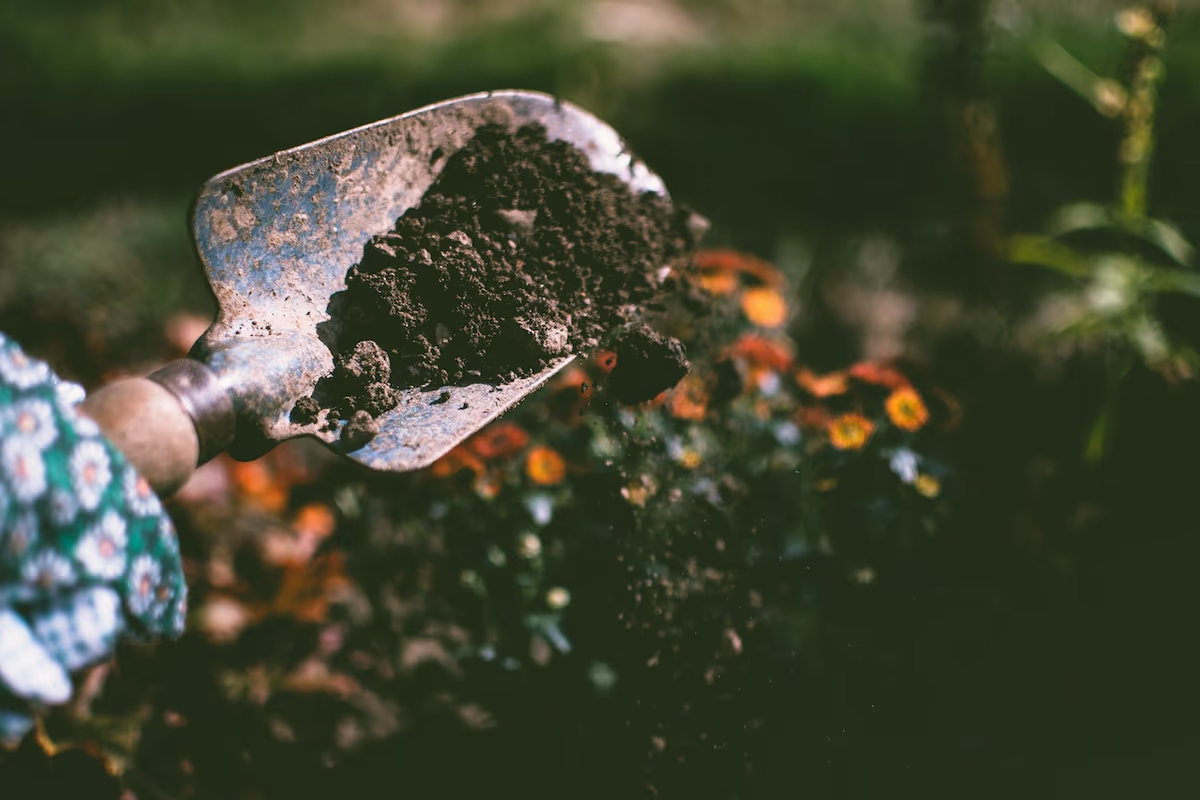
Sod gives you an instant, real lawn—pre-grown grass you lay like a carpet that roots in within a few weeks. In our climate, tall fescue and fescue blends handle hot summers and moderate shade well. Natural grass also cools the surrounding air and feels best underfoot for play. Success depends on prep: a graded bed of quality topsoil blended with compost, then deep daily watering for the first two weeks. The ongoing cost—water, mowing, fertilizer—is the trade-off, and that water bill climbs during drought restrictions. See our Commercial & Residential Sod options.
The Case for Artificial Turf
Question: When is artificial turf the better choice?
Direct answer: Choose artificial turf when you want a green, low-maintenance lawn that needs no water or mowing—especially in full-sun, water-restricted, or pet-heavy yards.
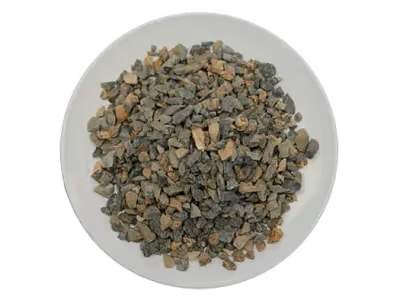
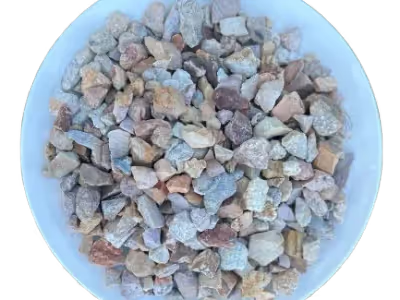
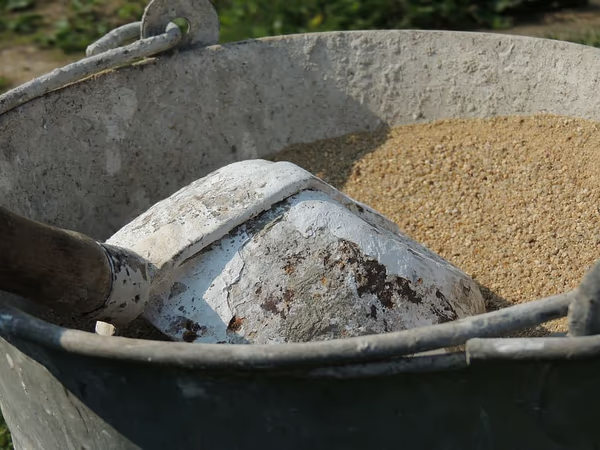
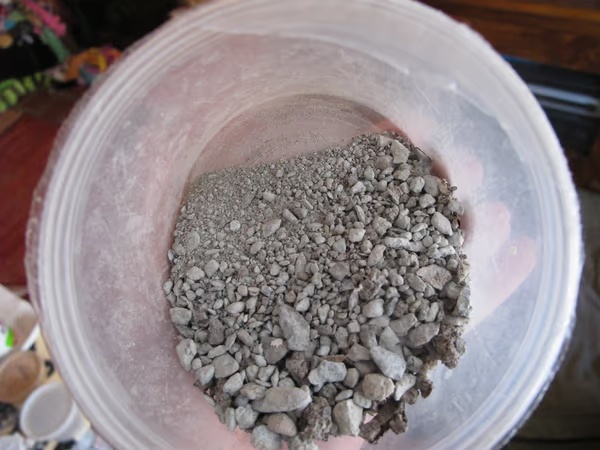
Artificial turf eliminates irrigation and mowing entirely and stays green year-round. It's excellent for pet areas (it drains and rinses clean) and for busy households that don't want lawn upkeep. The big considerations are the higher upfront cost and that turf gets hotter than grass in direct summer sun. Quality and longevity depend almost entirely on the base: a compacted aggregate base (Class 2 base rock or decomposed granite), a weed barrier, and the right turf infill. We cover this in how to prepare a base for artificial turf or pavers. Browse Artificial Turf & Accessories.
Cost Over Time
Sod wins on day one; turf often wins over the long haul. A natural lawn's water, mowing, and fertilizer add up every year, while turf's costs are mostly upfront. Over a 10–15 year horizon—particularly where water is expensive or restricted—artificial turf frequently comes out ahead, even accounting for eventual replacement at the end of its ~15–20 year life. This is part of why turf has grown so popular across drought-prone California.
Don't Forget What's Underneath
Both options live or die on preparation:
- Sod: 2–4 inches of amended topsoil over loosened, graded soil; lay sod the same day it's delivered.
- Turf: ~3–4 inches of compacted aggregate base for drainage and stability, weed barrier, then infill.
Skipping prep is the most common reason a lawn—real or synthetic—fails early. Estimate base or soil quantities with our material guide.
Related Resources
- Sod, Artificial Turf, and Turf Infill glossary entries
- How to Prepare a Base for Artificial Turf or Pavers
- Drought-Tolerant Landscaping Ideas for Roseville
- Shop Commercial & Residential Sod and Artificial Turf & Accessories
Conclusion: Match the Lawn to Your Priorities
If you want natural and affordable up front, choose sod. If you want to slash water use and maintenance for the long term, choose artificial turf. Many Placer County homeowners do both—turf in the high-traffic, water-saving zones and natural plantings elsewhere.
Want help weighing it for your yard and budget? Contact us or call (916) 783-9177. We supply sod and the base materials for turf, with delivery throughout Roseville and Placer County.