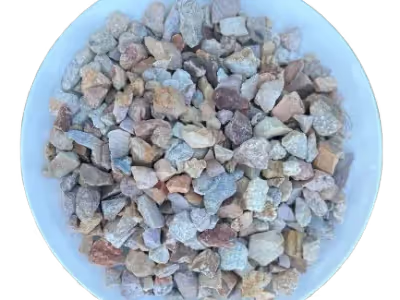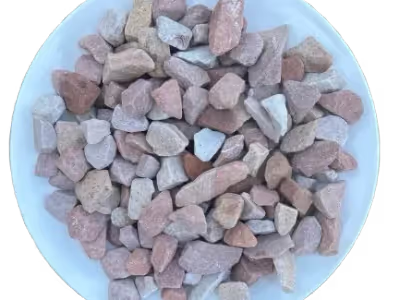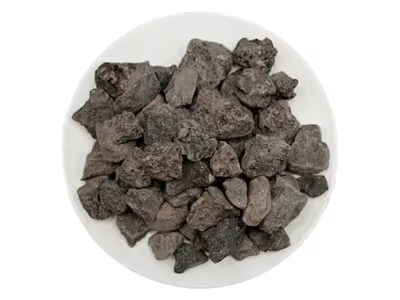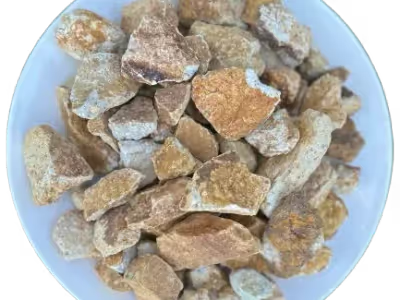
One of the most common questions we get is whether to put bark mulch or decorative rock around plants and in beds. The short answer: use mulch around plants and garden beds because it improves the soil and retains moisture as it breaks down, and use rock for permanent, low-maintenance areas, drainage features, and fire-safe zones near structures. Most well-designed yards actually use both, each where it does the most good.
Here's a clear, side-by-side comparison to help you decide bed by bed.
Key Takeaways
- Mulch feeds the soil; rock doesn't—but rock is essentially permanent.
- Mulch: lower upfront cost, better for plants, needs topping up yearly.
- Rock: higher upfront cost, near-permanent, better for drainage and fire safety.
- Both want a weed barrier and a 2–3 inch depth.
- The smart move is zoning: rock near structures and in drainage areas, mulch in planting beds.
Quick Comparison Table
| Factor | Bark Mulch | Decorative Rock |
|---|---|---|
| Upfront cost | Lower | Higher |
| Long-term cost | Recurring (reapply 1–2 yrs) | Low (permanent) |
| Helps plants/soil | Yes—adds organic matter | No |
| Moisture retention | Excellent | Moderate |
| Weed control | Good (decomposes into weed bed over time) | Good (debris can collect) |
| Fire safety | Combustible | Non-combustible |
| Heat reflection | Low | Can raise soil temp |
| Maintenance | Top up yearly | Occasional cleanup |
| Best for | Planting beds, trees, vegetables | Paths, drainage, fire-safe zones, modern looks |
When Mulch Wins
Question: When should you choose mulch over rock?
Direct answer: Choose bark mulch around living plants, trees, shrubs, and vegetable gardens—anywhere soil health and moisture matter.
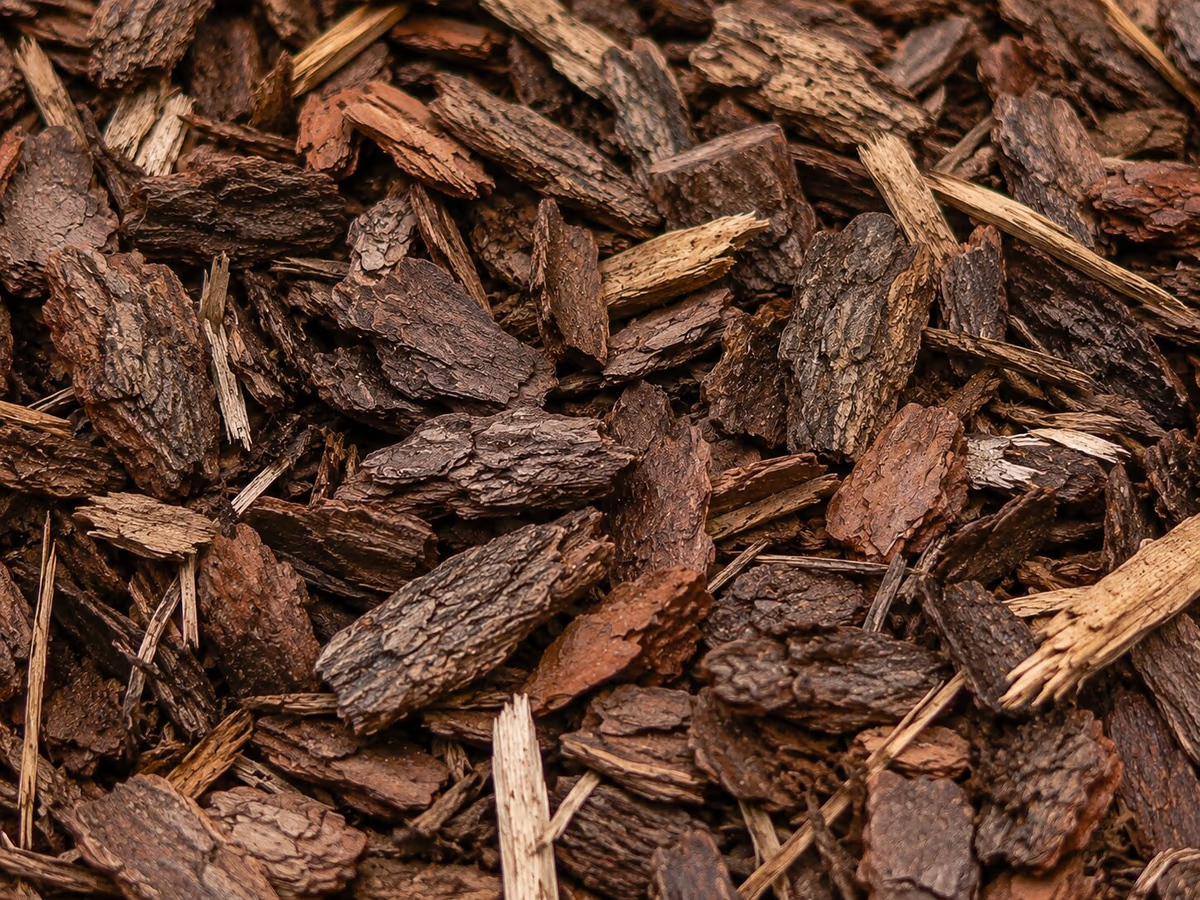
As organic mulch breaks down, it does what rock can't: it feeds soil life, improves structure, and dramatically slows evaporation—a big deal during Placer County's long, dry summers. It also keeps roots cooler. The trade-off is that it decomposes and needs topping up every year or two. Apply it 2–3 inches deep, and keep it a few inches off trunks and stems to prevent rot. Explore options on our Bark & Wood Chips page, and see which bark lasts longest.
When Rock Wins
Question: When should you choose rock over mulch?
Direct answer: Choose decorative rock for permanent, low-maintenance areas, drainage features, and the fire-safe zone near your home.
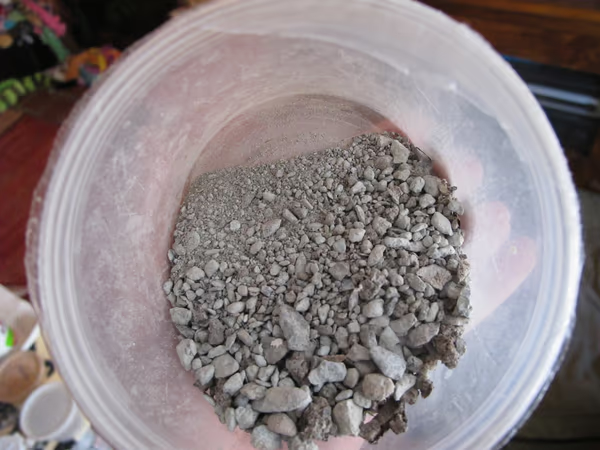
Rock never decomposes, blows away, or needs annual replacement, which makes it ideal for xeriscape designs, dry creek beds, pathways, and modern, clean looks. Because it's non-combustible, rock is the safer choice in the first few feet around a house and in defensible-space zones—an important consideration in our region. The trade-offs: a higher upfront cost, no soil benefit, and stones can raise soil temperature, which stresses some plants. Browse our Decorative Rocks, or compare popular options in river rock vs. pea gravel.
The Best Answer Is Often "Both"
Smart landscapes zone their materials:
- Rock in the first 3–5 feet around the home (fire safety), in drainage swales and dry creek beds, and on pathways.
- Mulch in planting beds, around trees, and in the vegetable garden where soil health matters most.
This gives you the durability and fire safety of rock where it counts and the plant benefits of mulch where plants live.
Cost Over Time
Mulch's lower sticker price is offset by reapplication; rock's higher upfront price is offset by permanence. Over 5–10 years, rock can be the cheaper option for a given bed—but only if that bed doesn't need the soil benefits mulch provides. Size either one with our how-much-material guide (about 100–160 sq ft per cubic yard at 2–3 inches), and remember bulk beats bagged for any real area.
Related Resources
- Mulch, Bark, and Xeriscaping glossary entries
- River Rock vs. Pea Gravel
- Drought-Tolerant Landscaping Ideas for Roseville
- How Much Rock, Gravel, or Mulch Do I Need?
- Shop Bark & Wood Chips and Decorative Rocks
Conclusion: Choose by Zone, Not by Rule
There's no single winner—mulch for plants and soil health, rock for permanence, drainage, and fire safety. Map your yard into zones and put each material where it does the most good.
Need help deciding for a specific bed? Contact us or call (916) 783-9177. We'll recommend the right material and deliver it across Roseville and Placer County.