Getting Your Soil Right Makes All the Difference
You know that saying "good things grow from good soil"? It's absolutely true. Whether you're planting a new lawn, starting a vegetable garden, or adding some trees and shrubs, the soil you choose can make or break your project. Let's look at the different soil options we carry and help you pick the perfect one for your needs.
Why Soil Quality Matters So Much
Think of soil as the foundation of your landscape. Just like you wouldn't build a house on a weak foundation, you don't want to plant in poor soil. Good soil gives your plants three essential things: nutrients to feed on, water when they need it, and air space for healthy roots. Skimp on soil quality, and even the most expensive plants will struggle to thrive.
Our Soil Options Explained
We carry several soil types to match different needs and budgets. Here's what each one does best:
- Unscreened Fill Dirt: Basic dirt for filling holes and leveling areas. Contains rocks and debris, so it's not for planting.
- Screened Topsoil: Clean, filtered soil perfect for lawn installation and general planting. The rocks and debris have been removed.
- 70/30 Blend: Our premium lawn and tree soil - 70% organic compost mixed with 30% Black Forest Humus for excellent drainage and nutrition.
- 50/50 Blend: Equal parts Black Forest Humus and organic compost. Great for flower beds and vegetable gardens.
- Superblend: Our richest soil mix with Black Forest Humus, organic compost, and chicken manure. Perfect for heavy-feeding plants.
Should You Test Your Soil?
Soil testing isn't always necessary, but it can save you money and frustration on bigger projects. A simple test tells you the pH level and what nutrients might be missing. You can grab a basic test kit at any garden center for under $20, or go professional for more detailed results. This is especially helpful if you've had plants struggle in the past.
Preparing Your Planting Area
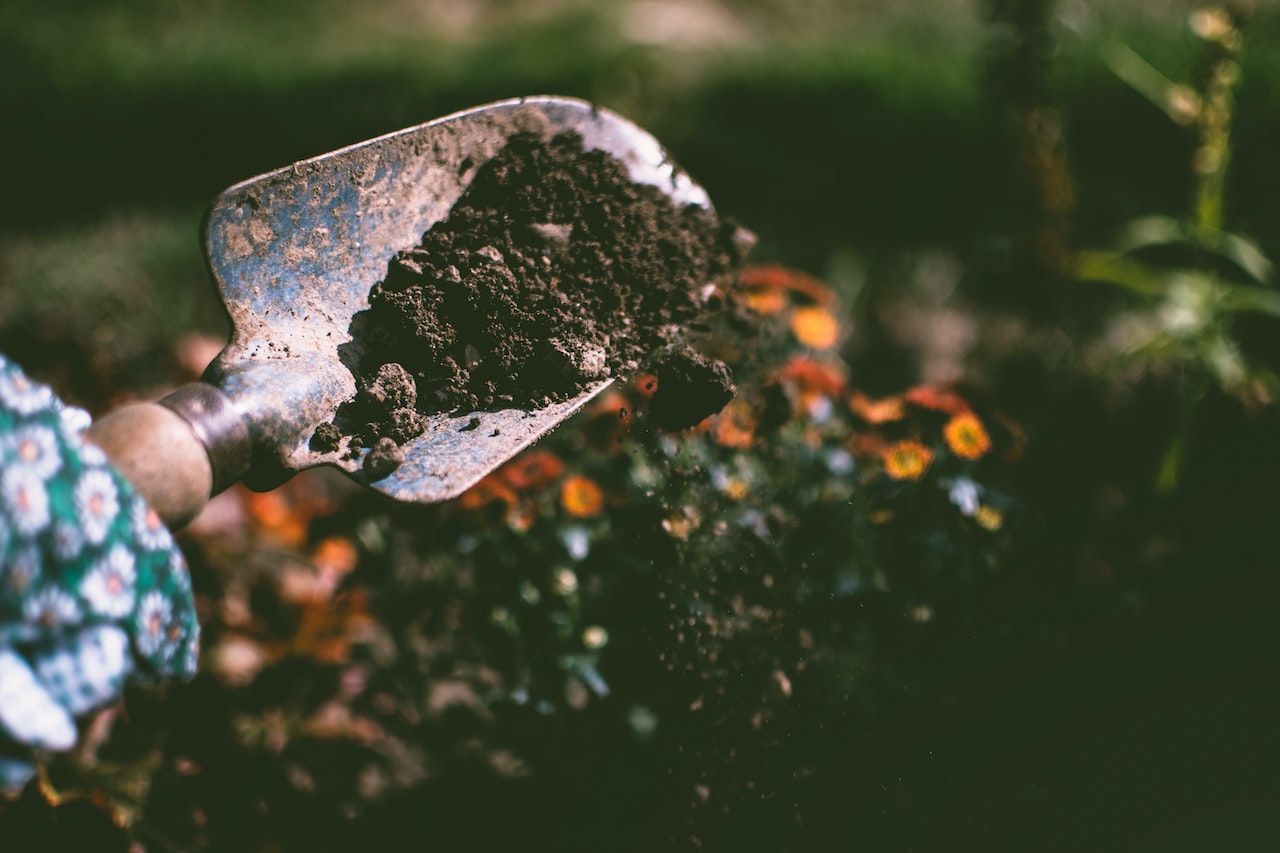
Good prep work makes a huge difference in how your plants perform. Start by clearing out weeds, rocks, and any debris from the area. Then break up the existing soil to about 6-8 inches deep. This gives roots room to spread and helps water and air move through the soil.
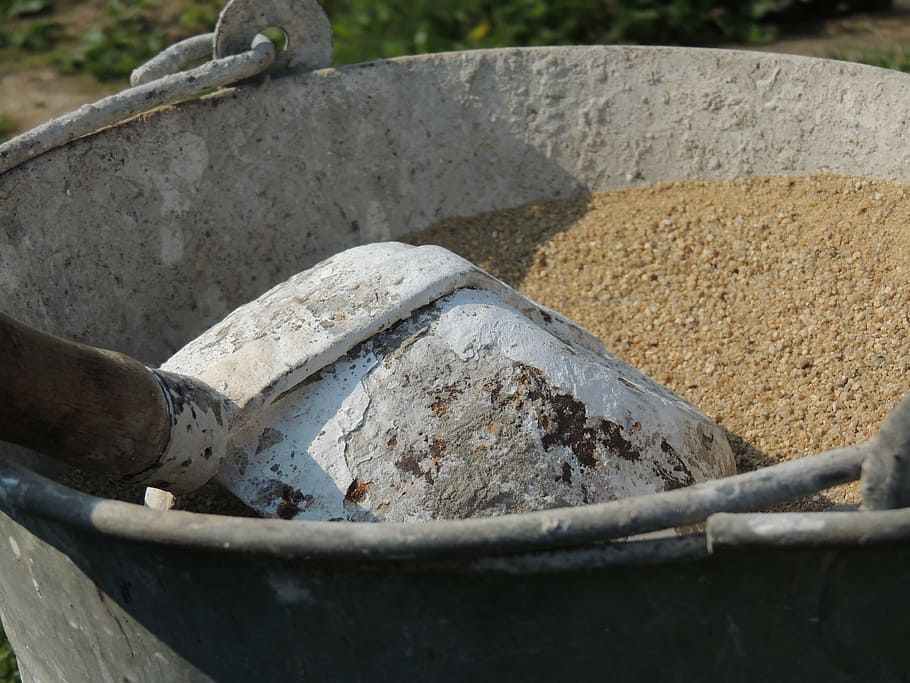
If you're dealing with clay soil that drains poorly, mixing in some concrete sand can help. For soil that's too acidic or alkaline, your garden center can recommend the right amendments. But honestly, choosing the right soil blend from the start often eliminates these issues.
Which Soil to Use Where
Unscreened Fill Dirt: Use this for filling holes, building up low areas, or creating a base under other materials. Don't plant directly in it - it's basically construction material, not growing medium.
Screened Topsoil: Perfect for installing new lawns or when you need clean soil for basic planting. It's good quality dirt, but you might want to mix in some compost for better results with flowers and vegetables.
70/30 Blend: This is our go-to recommendation for lawns, trees, and shrubs. The compost provides nutrition while the humus improves water retention and soil texture. Great for establishing new plants.
50/50 Blend: Flower gardeners love this mix! It's rich enough for blooms and vegetables but not so "hot" that it burns delicate plants. Perfect for raised beds and container gardening too.
Superblend: Our premium option for serious gardeners. The added chicken manure gives plants an extra nutrition boost. Use this for vegetable gardens, fruit trees, or anywhere you want maximum growth.
The Bottom Line on Soil Selection
Picking the right soil really is one of the most important decisions you'll make for your landscape. It's tempting to go with the cheapest option, but investing in quality soil upfront saves you money and headaches later. Your plants will establish faster, grow healthier, and need less babying when they're planted in the right foundation.
Remember: you can always add nutrients and amendments later, but starting with good soil gives you the best shot at success from day one.
Professional Soil Delivery Across Northern California
We deliver premium soils, compost blends, and topsoil throughout Roseville, Rocklin, Lincoln, Granite Bay, Folsom, Sacramento, Citrus Heights, and all surrounding areas.
Not sure which soil blend is right for your project? Call us at (916) 783-9177 and our team will recommend the perfect soil for your specific needs. Use our Material Calculator to estimate how many cubic yards you'll need!
FAQs
Why is it important to test your soil before planting? Soil tests can help determine if your soil needs any amendments to improve its quality and nutrient content. This can help ensure healthy plant growth.
Can unscreened fill dirt be used for planting? No, unscreened fill dirt is not recommended for planting as it lacks necessary nutrients and may contain weeds or other unwanted materials.
What is the best type of soil for flower beds? A 50/50 blend of Black Forest Humus and organic compost is ideal for flower beds as it provides a nutrient-rich soil that is perfect for growing flowers, vegetables, and herbs.
Can I amend my soil after planting? Yes, you can amend your soil after planting, but it is best to do so before planting to ensure the amendments are well mixed into the soil.
What is the Superblend and what is it best used for? The Superblend is a mix of 70% Black Forest Humus, 20% organic compost, and 10% organic chicken manure. It is best used for planting trees, shrubs, and vegetable gardens as it provides essential nutrients for healthy plant growth.
Related Articles
- Using Bark for Landscaping - Top mulch options to use with quality soil
- Using Decomposed Granite for Landscaping - Alternative ground cover materials
- Using Gravels for Landscaping - Drainage solutions for soil beds
Planning a complete landscaping project? Browse all our topsoil & compost products or request a comprehensive quote for soil, mulch, and rock delivery.