Why the Right Sand Matters for Your Project
Sand might seem like a simple material, but choose the wrong type and you could end up with shifting pavers, poor drainage, or a project that doesn't last. Different sands have different properties - some compact well for stable bases, others drain better for utility work, and some are fine enough for smooth finishes. Let's break down which sand works best for what.
Sand Types We Carry
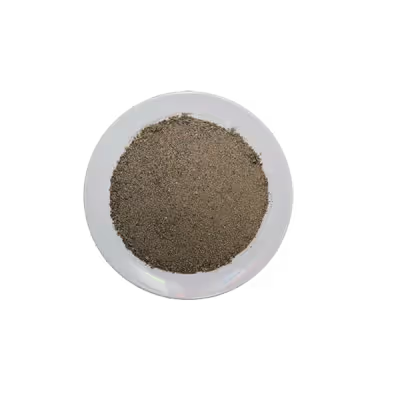
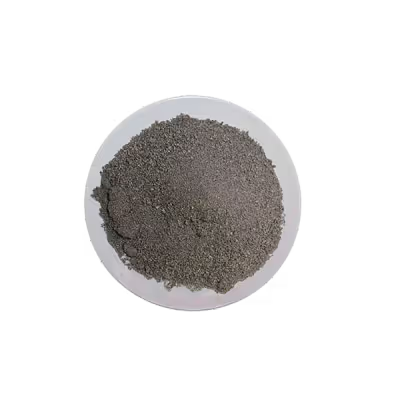
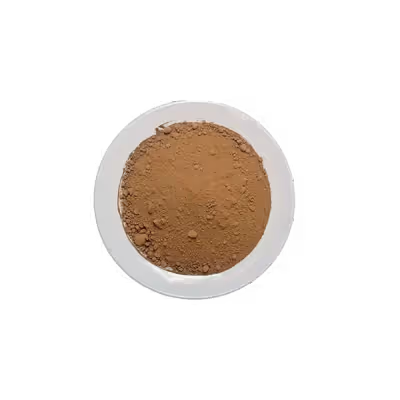
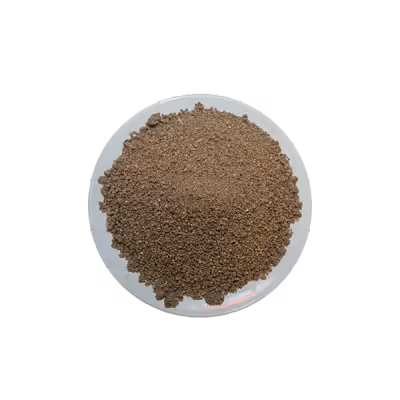
PG&E Sand: The go-to choice for drainage projects. PG&E (Pacific Gas & Electric) uses this for backfilling trenches because it has low clay content and drains really well. Perfect for French drains and around pipes.
Concrete Sand: This is what you want for serious structural work. It's a mix of small rocks, limestone, and minerals that compacts incredibly well. Great for paver bases that need to stay put.
Mason Sand: Super fine and smooth, this is the sand for detail work. Bricklayers love it, and it's perfect for creating smooth surfaces between pavers or in play areas.
Plaster Sand: Even finer than mason sand, this creates perfectly smooth surfaces. Great for specialized applications where you need that glass-smooth finish.
Teichert Sand: Our general-purpose workhorse sand. Clean, consistent, and versatile enough for most landscaping projects. When in doubt, this is often a safe choice.
Fill Sand: A 75/25 blend of sand and concrete sand that's perfect for filling large areas or creating bases for paving stones. Good balance of drainage and stability.
Which Sand for Which Project
PG&E Sand: French drains, pipe backfill, any project where water needs to move through quickly. This is your drainage specialist.
Concrete Sand: Paver bases, walkway foundations, any situation where you need maximum stability. Think of it as your "won't budge" option.
Mason Sand: Filling joints between pavers, leveling surfaces for stone work, sandbox sand. When you need something fine and smooth.
Plaster Sand: Specialized smooth finishes, areas where you need the finest possible texture.
Teichert Sand: General landscaping, retaining wall backfill, base material for patios. Your reliable all-around choice.
Fill Sand: Large area fill, basic paver preparation, ground leveling. Good performance without the premium price.
The key is matching the sand to your specific needs. Need drainage? Go with PG&E. Need stability? Concrete sand is your friend. Need something smooth? Mason sand does the trick.
Pro Tips for Working with Sand
Match the sand to the job: Don't just grab any sand. Each type has specific strengths that make your project work better.
Compact like your project depends on it: Because it does! Proper compaction prevents settling and keeps everything level. Rent a plate compactor for larger areas.
Always use landscape fabric: Trust us on this. A few dollars spent on weed barrier saves hours of maintenance later.
Think about drainage: Sand can help or hurt drainage depending on your situation. Plan accordingly and don't trap water where it shouldn't be.
Consider polymeric sand for pavers: Regular sand washes out and grows weeds. Polymeric sand hardens when wet and keeps everything locked in place.
FAQs
Can I mix different types of sand together for my project? While it's possible to mix different types of sand, it's generally not recommended as they have different properties and may not perform as intended.
Can I use sand for filling in low spots in my lawn? Sand can be used for filling in low spots in your lawn, but it's essential to mix it with topsoil to create a suitable growing medium.
How often should I replace the sand in my sandbox? It's a good idea to replace the sand in your sandbox every two years to prevent the buildup of mold, bacteria, and other contaminants.
Can I use sand for creating a base for my garden bed? While sand can improve drainage in a garden bed, it's not recommended as it can lead to compaction and poor soil structure over time.
Can I use sand to level my patio before laying pavers? Yes, sand is an excellent choice for leveling your patio before laying pavers. Just be sure to properly compact the sand to prevent shifting and settling over time.