


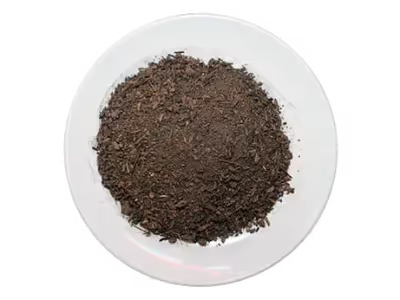
Topsoil And Compost View Details
50/50 BLEND
50% organic compost / 50% Black Forest Humus blend. Ready to use in planters, flower beds and garden boxes; no need to add anything to it.
$13.39 per bag
$66.95 per cubic yard
Screened and unscreened topsoil, two compost blends and Superblend, sold by the cubic yard or by the bag.
Filling low spots, preparing a lawn or improving garden beds? Compare our five soil materials and find the right place to start.
Easy to print for the job site.
50% organic compost / 50% Black Forest Humus blend. Ready to use in planters, flower beds and garden boxes; no need to add anything to it.
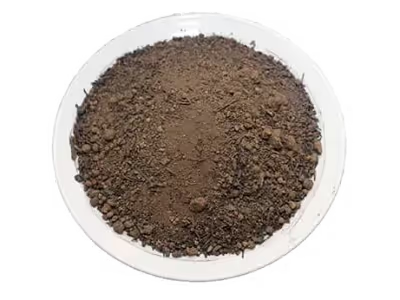
70% Compost / 30% Black Forest Humus blend for sod, trees and shrubs. Ready to use; no need to mix it with anything else.
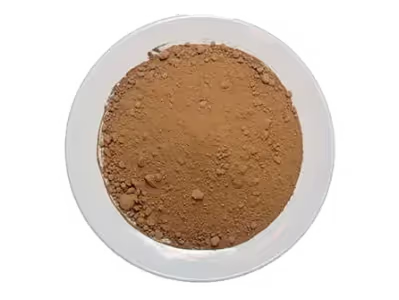
A sandy loam topsoil with very small pebble rocks. Multipurpose dirt, used for amending clay dirt. Dirt with very small pebble rocks
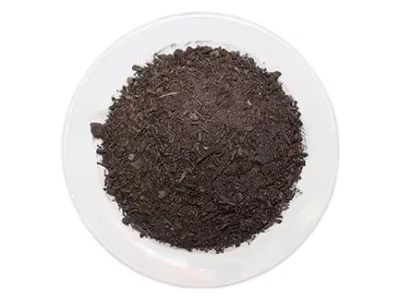
Blend of Black Forest Humus 70%, organic green-waste compost 20% and organic chicken manure 10%.
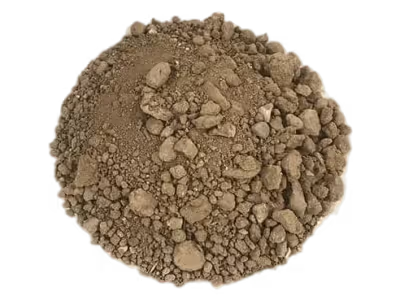
Unscreened soil for filling holes, raising and leveling ground, and as fill beneath a planting layer. It is not screened, so it may contain rocks, debris and organic matter; put a planting layer on top.
Screened Topsoil adds a mineral-soil layer for general landscape preparation and lawn-area grading. Unscreened Topsoil is economical fill for holes and leveling, beneath a planting layer.
The 50/50 Blend (planters, flower beds and garden boxes) and the 70/30 Blend (sod, trees and shrubs) are compost and humus blends, sold ready to use for those jobs with nothing else to add. Superblend adds chicken manure to humus and compost: ask us whether it suits your plants.
| Product | Material type | Composition | Typical uses | Key limitations | Price per cu yd |
|---|---|---|---|---|---|
| Screened Topsoil | Mineral soil (sandy loam) | Sandy loam with very small pebbles | Adding a mineral-soil layer; General landscape preparation; Lawn-area grading | Contains very small pebbles; no added compost | $51.95 |
| Unscreened Topsoil | Unscreened fill soil | Unscreened soil; may contain rocks, debris and organic matter | Filling holes and low spots; Leveling and raising ground; Fill beneath a planting layer | Not screened; may contain rocks and debris | $28.95 |
| 50/50 Blend | Compost and humus blend | 50% organic compost, 50% black forest humus | Planters, ready to use; Flower beds and garden boxes | Not for fill: organic blends settle | $66.95 |
| 70/30 Blend | Compost and humus blend | 70% compost, 30% black forest humus | Sod, ready to use; Planting trees and shrubs | Not for fill; ask how much to use | $63.00 |
| Superblend | Humus and compost blend with chicken manure | 70% black forest humus, 20% organic green-waste compost, 10% organic chicken manure | Planting beds where a blend with chicken manure suits the plants (ask us first) | Contains chicken manure; ask whether it suits your plants | $74.95 |
Cubic yards = area (sq ft) × depth (in) ÷ 324.
Math examples (the depths are examples, not recommendations):
Our Material Estimator does this math and adds 10% for settling and waste, rounded up to the next quarter yard. Treat the result as an estimate: the amount you need on site can differ.
Coverage math: one cubic yard spread 4 in deep covers about 81 sq ft, before settling and waste. Use the depth your project needs; 4 in is an example, not a recommendation.
Open the Material Estimator for soilBulk soil is delivered by the cubic yard. Within 14 miles of our yard, delivery is free on 4 or more yards; smaller local loads and longer distances have a set fee.
Same-day delivery for orders placed before 10 AM and free delivery are subject to truck availability.
Delivery rates are based on the driving distance from our yard at 1801 PFE Road, Roseville — the route our truck actually travels to your address, not a straight-line radius — measured via GPS for each specific address. Some areas within the same city may fall in different delivery zones. Delivery scheduling, including same-day and free delivery, is subject to truck availability.
See delivery ratesBags are a special-order service prepared by our yard team. A few things to know before you order:
Call the yard or ask for a quote, and we'll help you choose the right soil for your project.
Topsoil is mineral soil: Screened Topsoil adds a mineral-soil layer for general landscape preparation and lawn-area grading, and Unscreened Topsoil is fill beneath a planting layer. Our compost blends are compost and humus: the 50/50 Blend is ready to use in planters, flower beds and garden boxes, and the 70/30 Blend for sod, trees and shrubs, with nothing else to add. Superblend adds chicken manure to humus and compost. Many projects use both: topsoil to fill and grade, and a blend where you plant.
Unscreened Topsoil is made for filling holes and leveling, as fill beneath a planting layer, and it is the lowest-priced soil we sell. It is not screened, so it may contain rocks, debris and organic matter: if the area will be planted or seeded, finish with a planting layer such as Screened Topsoil. Compost blends are not good fill: they settle as they break down.
Yes. Screened Topsoil is a sandy loam screened for a more even texture, but it still contains very small pebbles. Unscreened Topsoil is not screened and may contain larger rocks, debris and organic matter. You are welcome to see both at the yard before you buy.
Yes, for the jobs they are sold for: the 50/50 Blend is ready to use in planters, flower beds and garden boxes, and the 70/30 Blend for sod, trees and shrubs. You don’t need to mix anything into them. Superblend contains chicken manure; ask the yard whether it suits your plants before you use it.
General extension guidance for new lawns is to loosen the soil, work in organic matter such as compost, and mix any added topsoil into the existing soil rather than leaving a separate layer. Grade so water drains away from buildings, then firm and water the area before laying sod. Our 70/30 Blend is the blend we sell for sod, ready to use with nothing else to mix in: ask us how much to use for your site, and follow your sod supplier’s instructions too.
Cubic yards = area in square feet × depth in inches ÷ 324. For example, 200 sq ft at 3 inches is about 1.85 cubic yards. Our Material Estimator does the math and adds 10% for settling and waste. Call (916) 783-9177 if you would like help.
Yes. Visit the yard at 1801 PFE Road, Roseville to see each material before you buy. Colors and textures vary naturally, and photos are representative only.
General extension guidance is to mix in organic matter such as compost, not sand, to improve clay soil. Gypsum helps only certain soils — for example, soils a soil test shows are high in sodium — and is not a general fix for compacted clay. A soil test is the best way to know what your soil needs.
Colors, sizes, and textures vary naturally. Photos are representative only. Visit the yard to view products in person before purchase.
Prices are subject to change without notice. Call (916) 783-9177 for current pricing.